



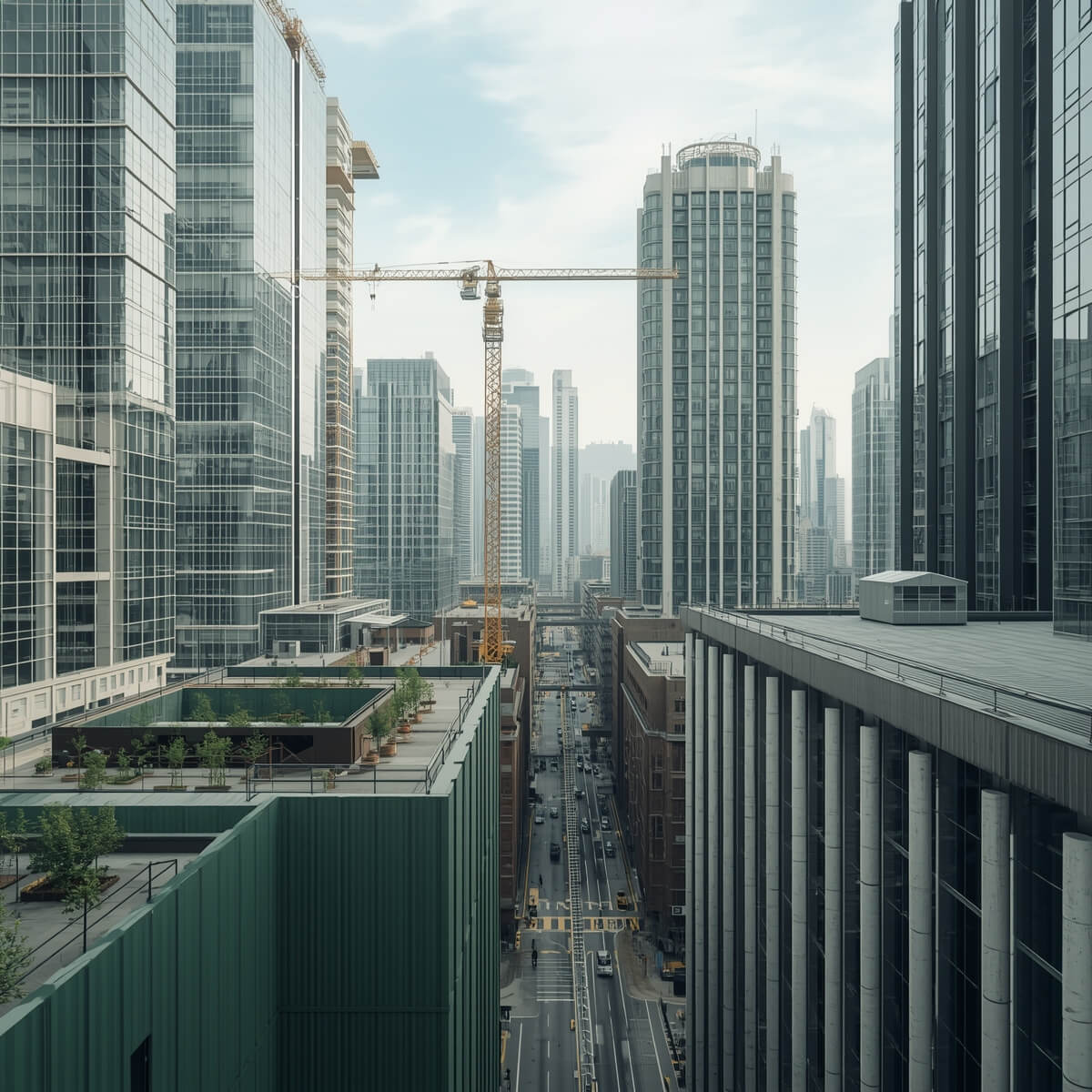
Top 5 Construction Coating Trends Shaping the Industry in 2026
 Date:
Date:
Top 5 Construction Coating Trends Shaping the Industry in 2026
The global construction industry continues to evolve in response to environmental demands, technological advancements, and the need for longer-lasting building materials. Construction coatings are no longer just decorative finishes; they play a critical role in protection, sustainability, and performance. As we approach 2026, several key trends are set to redefine the future of construction coatings.
Below are the top five construction coating trends that will dominate the market in 2026.
________________________________________
1. Eco-Friendly and Low-VOC Coatings
Sustainability remains a top priority across the construction sector. In 2026, eco-friendly coatings with low or zero volatile organic compounds (VOC) will become the industry standard. These coatings help improve indoor air quality, reduce environmental impact, and comply with increasingly strict global regulations.
Manufacturers are investing heavily in water-based, bio-based, and recyclable coating technologies to meet green building certifications and environmentally conscious consumer expectations.
________________________________________
2. Smart and Functional Coatings
Smart coatings are emerging as one of the most innovative trends in construction. These advanced coatings offer self-cleaning, anti-bacterial, thermal-reflective, and moisture-resistant properties. Some smart coatings can even react to environmental changes, such as temperature or humidity, improving building efficiency and longevity.
In 2026, functional coatings will be widely used in residential, commercial, and industrial projects to reduce maintenance costs and enhance performance.
________________________________________
3. High-Durability and Long-Life Coatings
With rising construction costs, durability is more important than ever. High-performance coatings designed to withstand UV radiation, extreme weather, pollution, and mechanical stress are gaining strong demand.
Silicone-modified, elastomeric, and advanced acrylic coatings are becoming popular choices for façades, roofs, and industrial structures, offering extended service life and reduced repainting cycles.
________________________________________
4. Energy-Efficient and Heat-Reflective Coatings
Energy efficiency is a major driver in modern construction. Heat-reflective and cool roof coatings help reduce building temperatures, lower energy consumption, and improve thermal comfort.
By 2026, these coatings will play a key role in sustainable urban development, especially in regions with hot climates. Reflective coatings contribute directly to lower carbon footprints and improved building performance.
________________________________________
5. Advanced Protective and Anti-Corrosion Coatings
Protective coatings are increasingly essential for infrastructure projects. Anti-corrosion, waterproofing, and chemical-resistant coatings are being widely adopted to protect concrete, steel, and metal surfaces.
In 2026, demand for advanced protective coatings will grow significantly in infrastructure, marine, industrial, and commercial construction, ensuring safety, durability, and long-term cost savings.
________________________________________
Conclusion
The construction coatings industry in 2026 will be driven by innovation, sustainability, and performance. From eco-friendly formulations to smart and energy-efficient technologies, these trends reflect the industry’s shift toward smarter and more responsible building solutions.
Companies that embrace these coating trends will be better positioned to meet future market demands, regulatory requirements, and customer expectations in an increasingly competitive global construction market.